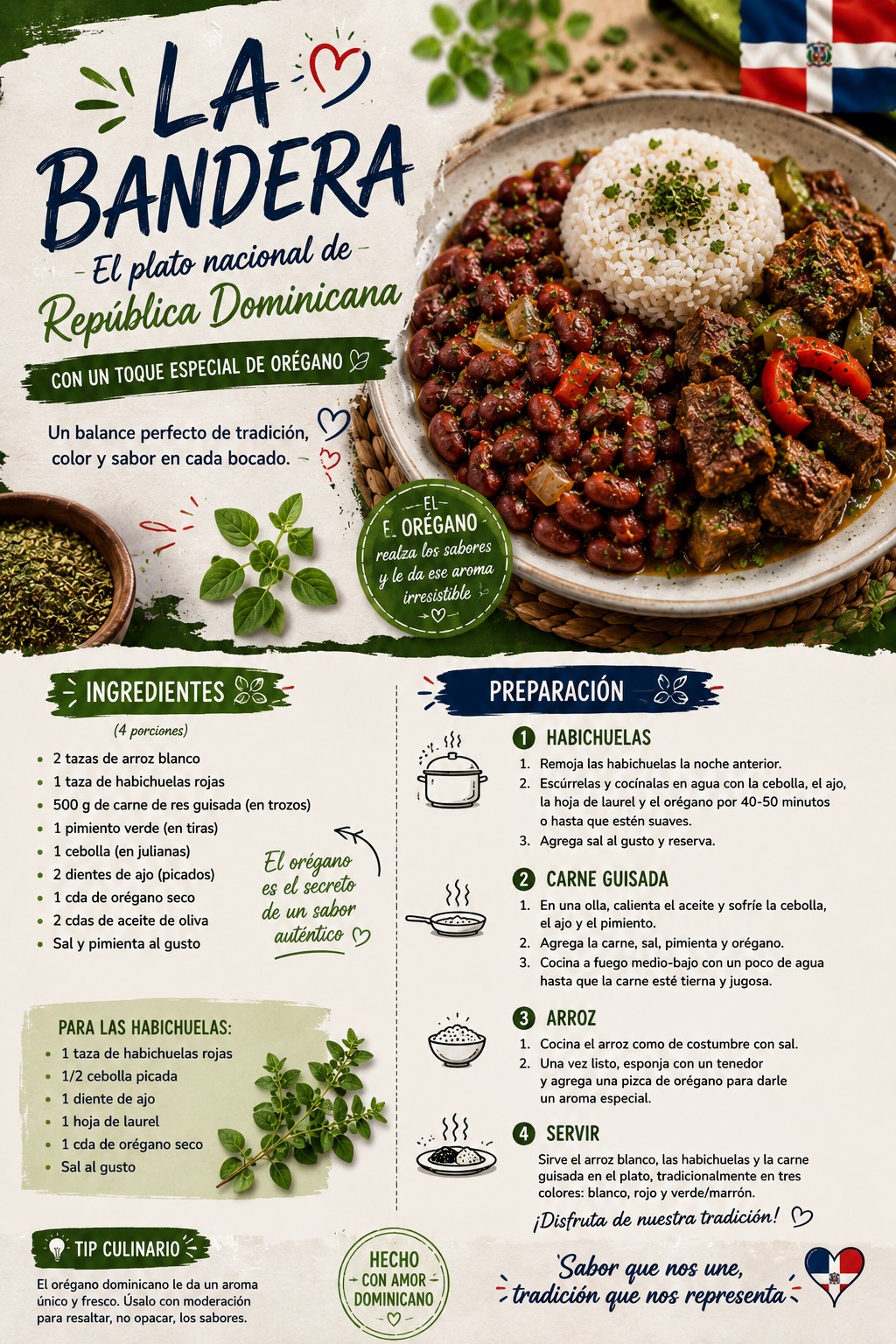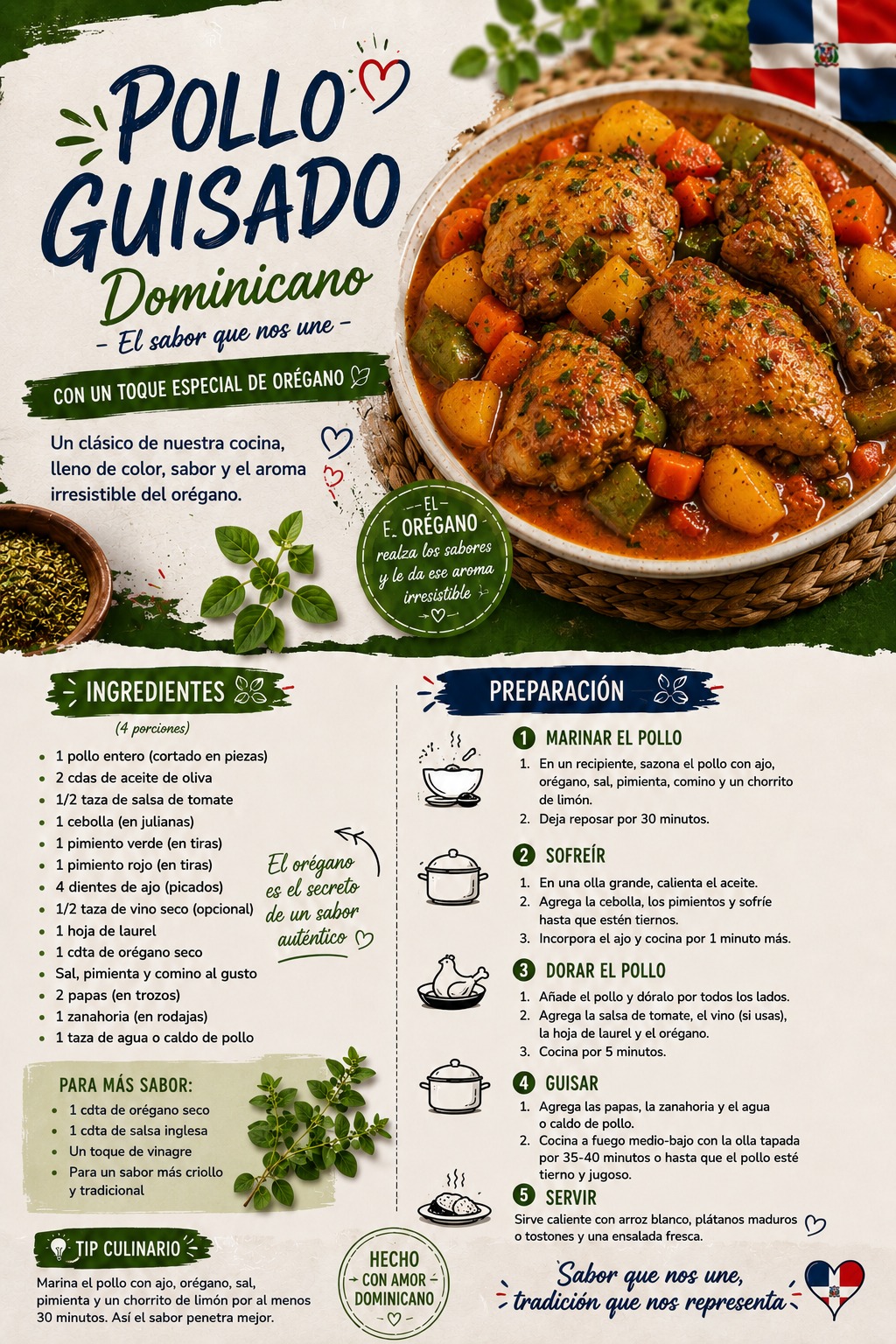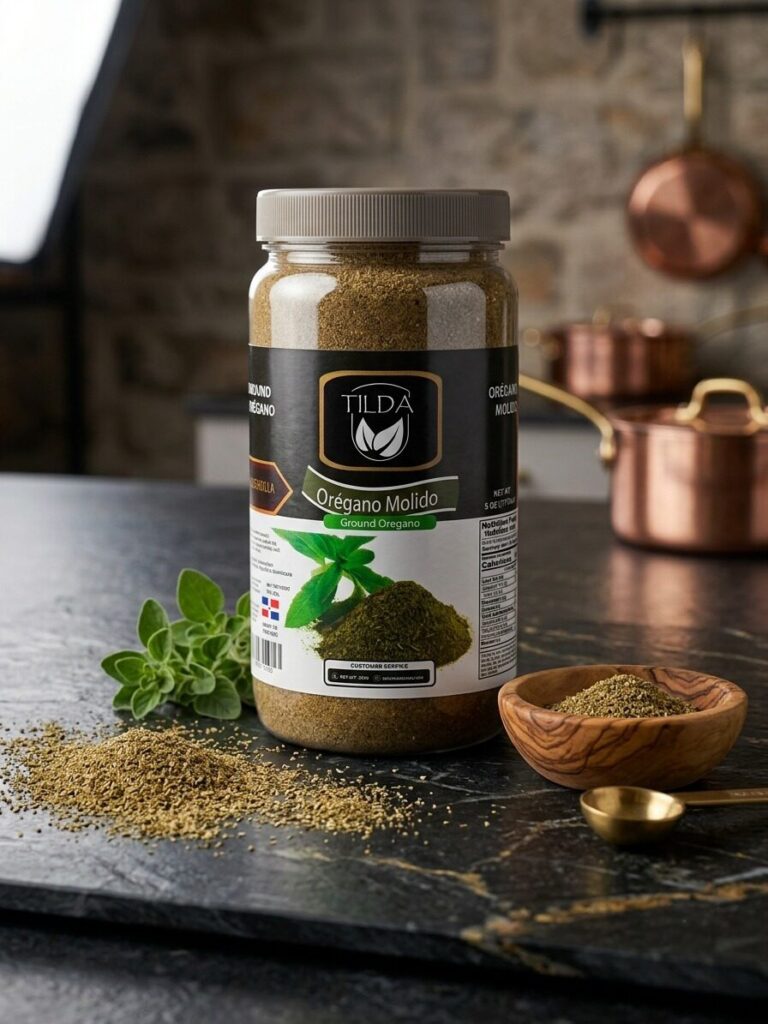

Versatilidad culinaria.
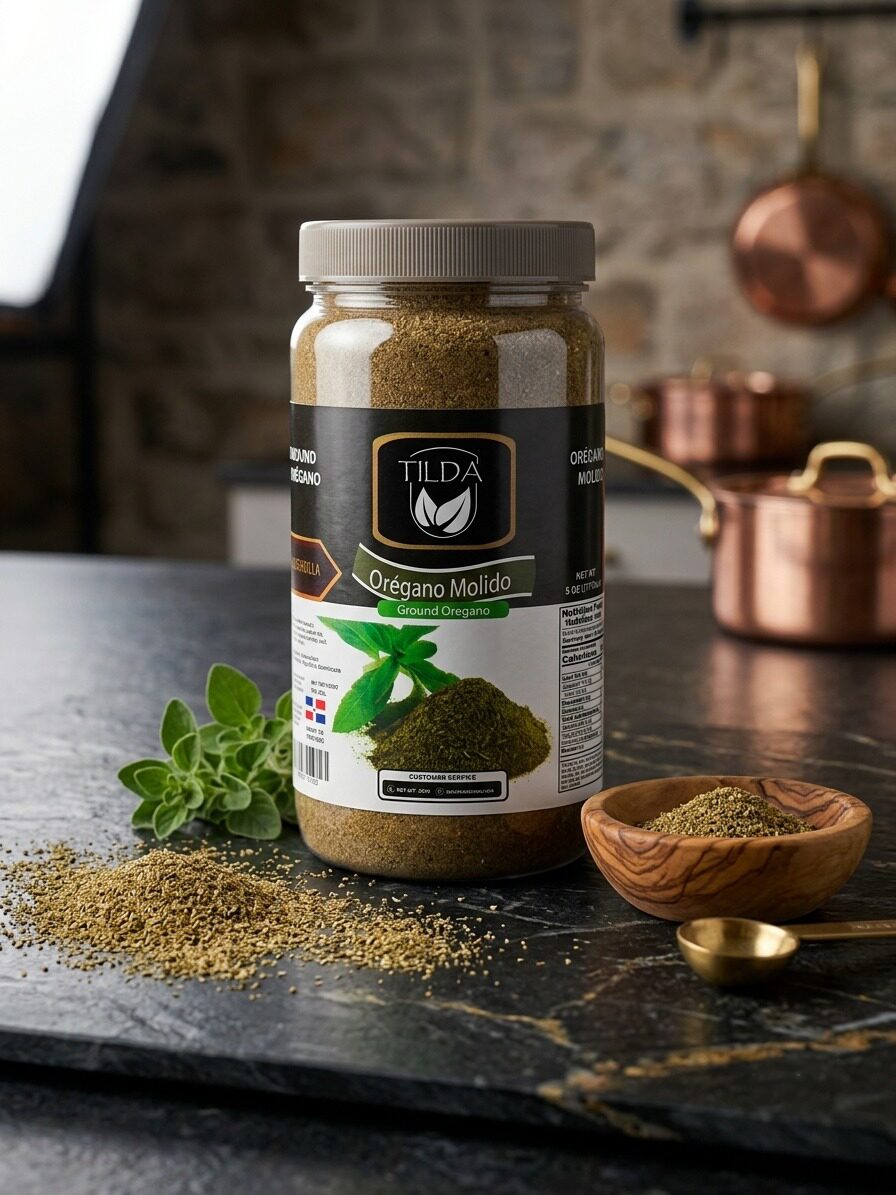
This versatile herb enhances the flavor of a wide variety of dishes. It pairs exceptionally well in salad dressings, marinades, and is an ideal accompaniment for cheeses, meats, and eggs. It can be used fresh, but drying significantly intensifies the aroma and flavor of its leaves. To preserve its essence, it is recommended to add oregano at the end of cooking, as it, like other aromatic herbs, tends to lose its organoleptic properties during prolonged cooking.
Nutritional Profile and Health Benefits
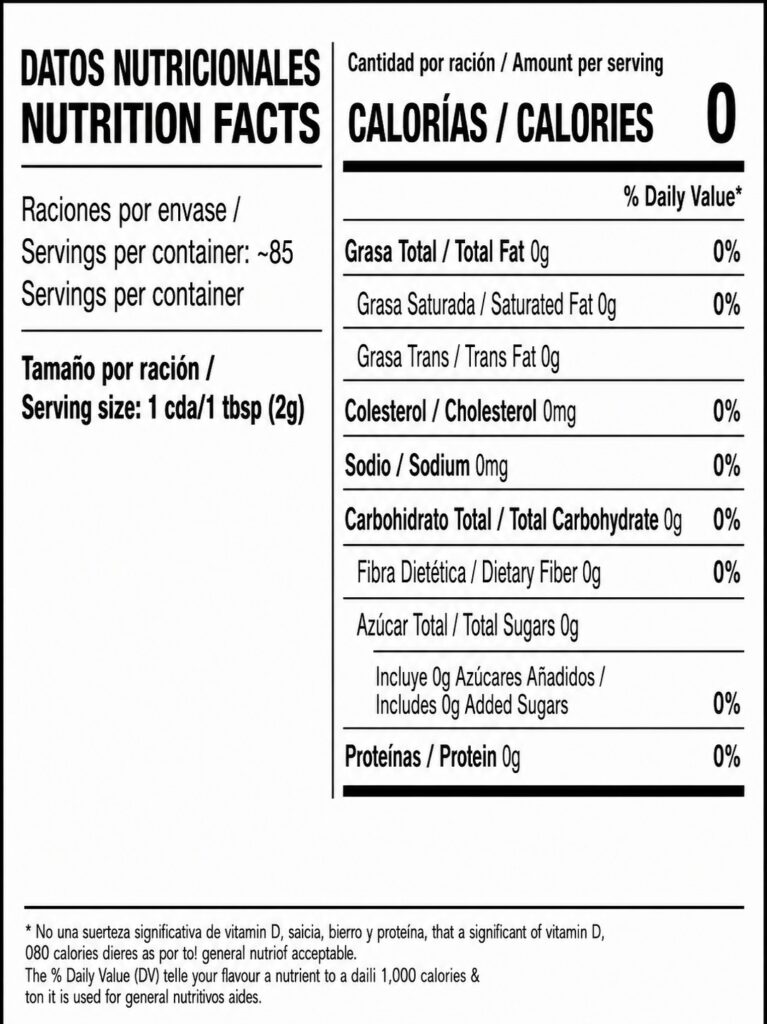
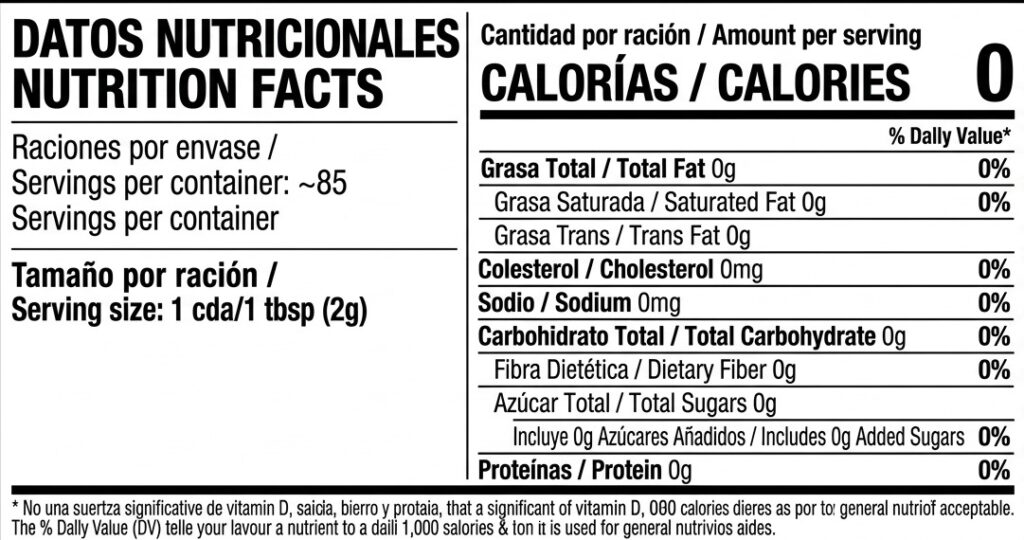
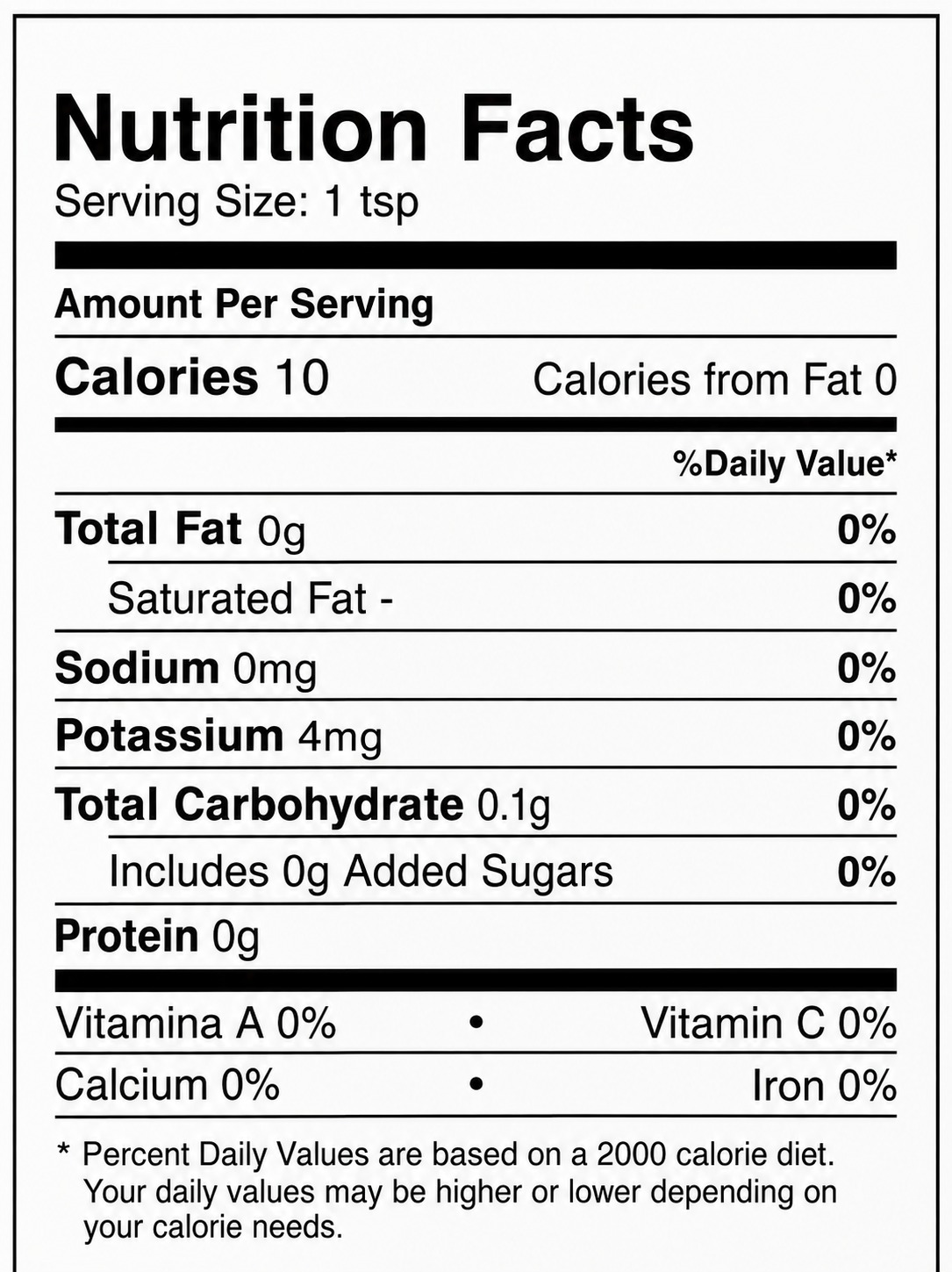
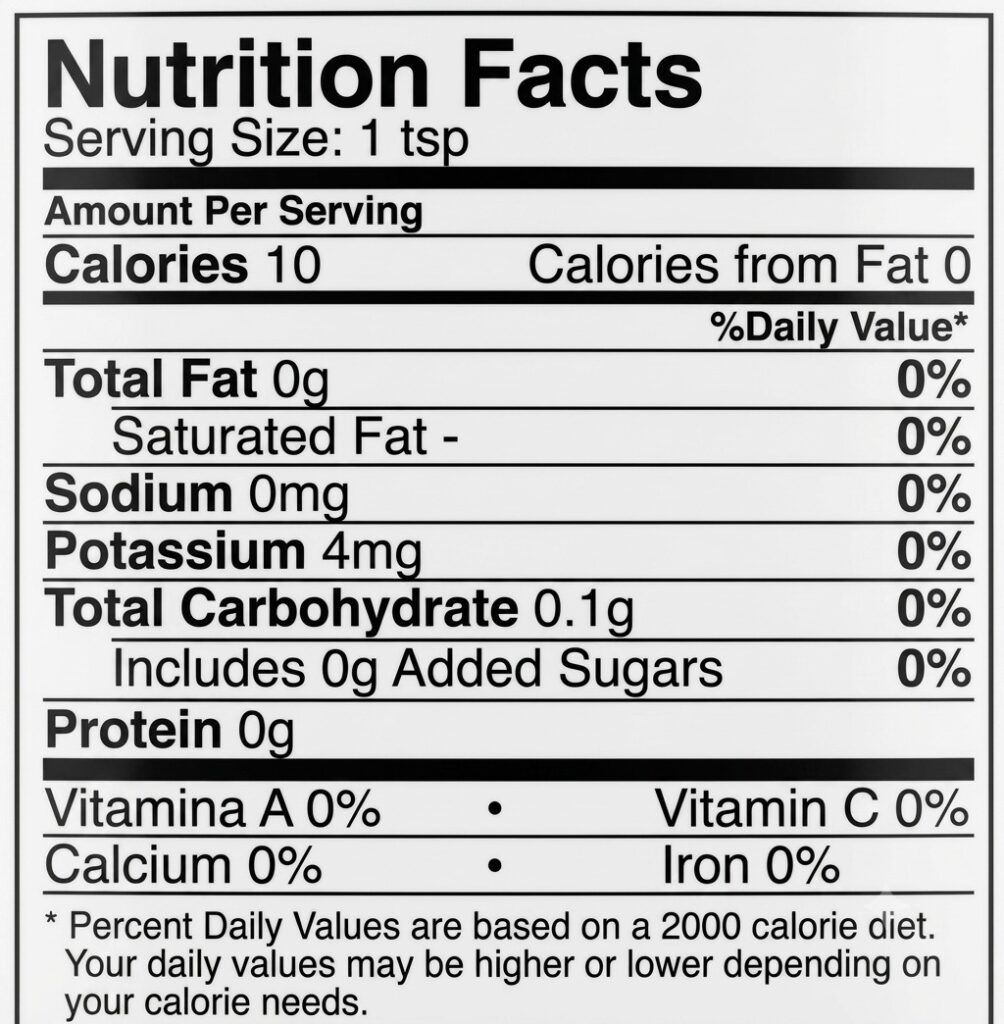
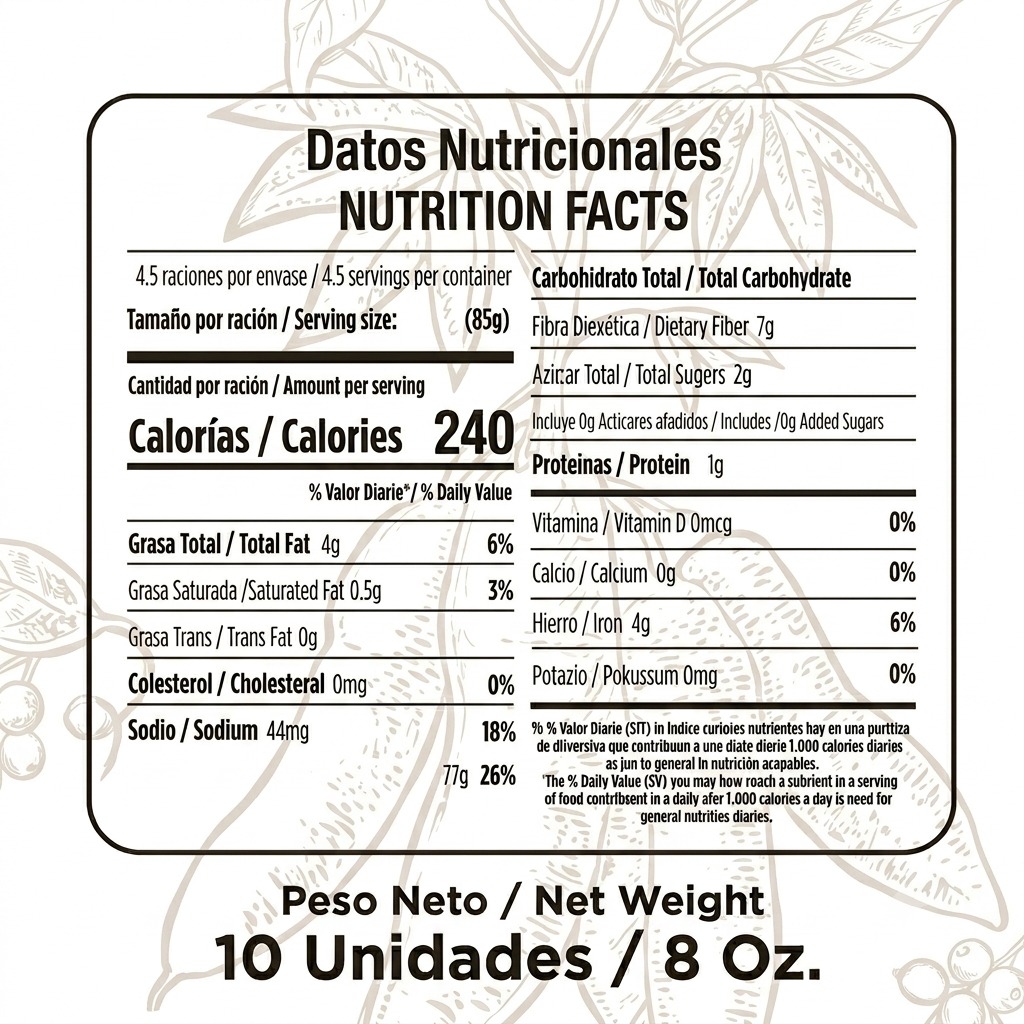
Oregano is a source of essential nutrients and bioactive compounds. It contains vitamins A, C, E, and K, as well as fiber, folate, iron, magnesium, B-complex vitamins (such as B6), calcium, and potassium. Additionally, this plant—sometimes confused with marjoram (though they are different species with similar flavor and aroma profiles)—is rich in potent phytochemicals that offer potential health benefits. These include flavonoids, tannins, phenolic acids, and essential oils like carvacrol and thymol, known for their antioxidant and antimicrobial properties.